

For millions of Muslims around the world (about 25% of the world’s population practices Islam), Ramadan is a sacred time of year during which believers practice discipline, patience, and self-reflection. Just as many Christians “give up” things for Lent, Muslims also give up worldly belongings and spiritually cleanse themselves.
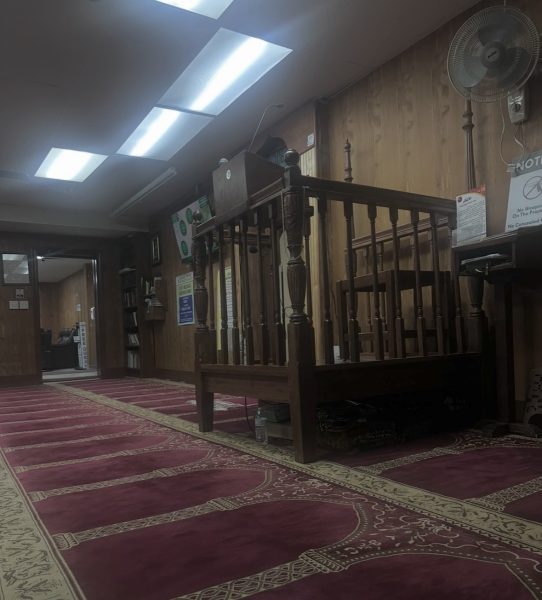
The most important Ramadan tradition is fasting. This tradition of fasting for Ramadan started more than fourteen centuries ago, when the first verses of the Qur’an (or Koran, the holy book of Islam) were revealed to the Prophet Muhammad on a blessed night called Laylatul Qadr. This revelation marked the beginning of God’s words being sent down to his followers to help guide them. This year, Ramadan runs from February 19 to March 19, but it shifts according to the lunar calendar, so it can occur at any time of year; it just happens to coincide roughly with Lent (Christian) and Passover (Jewish) celebrations this year.
During this time of Ramadan, many Muslim men and women fast from sunrise to sunset, refraining from both eating and drinking, to put their spiritual needs above their physical needs. Those practicing Islam are also advised to take the month to also refrain from smoking, gossiping, arguing, using inappropriate language, and engaging in other negative actions; these may not be major sins, but they take away from the purpose of Ramadan, which is to cleanse yourself spiritually and strengthen your connection with the one who created you. I have personally found out that during Ramadan, my mind becomes clearer as I pray more, and everything falls into place for the month. It is a time when communities unite, and all earthly problems are set aside to prioritize God.
Because there are just a few Muslim students at RMA, I am often asked questions about Islam–especially how Ramadan works–so I’ve tried to address some of those questions here to help us learn about and respect each other’s beliefs.
You might wonder if every Muslim has to fast. The short answer is no. It is important to know that children who have not reached puberty (since they are growing) are not expected to fast, and those who are sick, traveling, elderly, or pregnant may skip fasting if it could harm their health. In many cases, they can make up the fast later (so add days after Ramadan officially ends) or give to charity (money or food) instead. Ramadan is not meant to be a burden but instead a time of growth, reflection, and compassion.
So how does this fasting work in practice? I can’t speak to everyone’s experience, but an average day during this holy month, for me personally, begins before sunrise. I wake up to drink plenty of water and sometimes eat a small meal

called suhoor. After the sun rises, I perform the morning prayer and then get ready for school. Since I’m not eating as much, my energy levels can vary at school, depending on how far I am into Ramadan. After school, I pray again and spend time waiting for sunset. Once the sun sets, my family and I either go to someone’s house to share a meal or enjoy iftar (the meal that breaks the day of fasting) together at home, where we all break our fast with dates (because Muhammad is believed to have broken his fast with this fruit) and water to rehydrate. After breaking the fast, we pray, then pray again later that night before going to sleep and waking up before dawn the next morning.
With Ramadan coming to a close on Thursday, March 19, Muslims around the world will gather and celebrate Eid al-Fitr the following day. The day begins with a special prayer, followed by time spent with family, festive meals, and gifts given to loved ones. It is a great time for families to reflect on how the month of Ramadan brought them closer to God and each other as believers and to look forward to bettering themselves for the rest of the year.


