
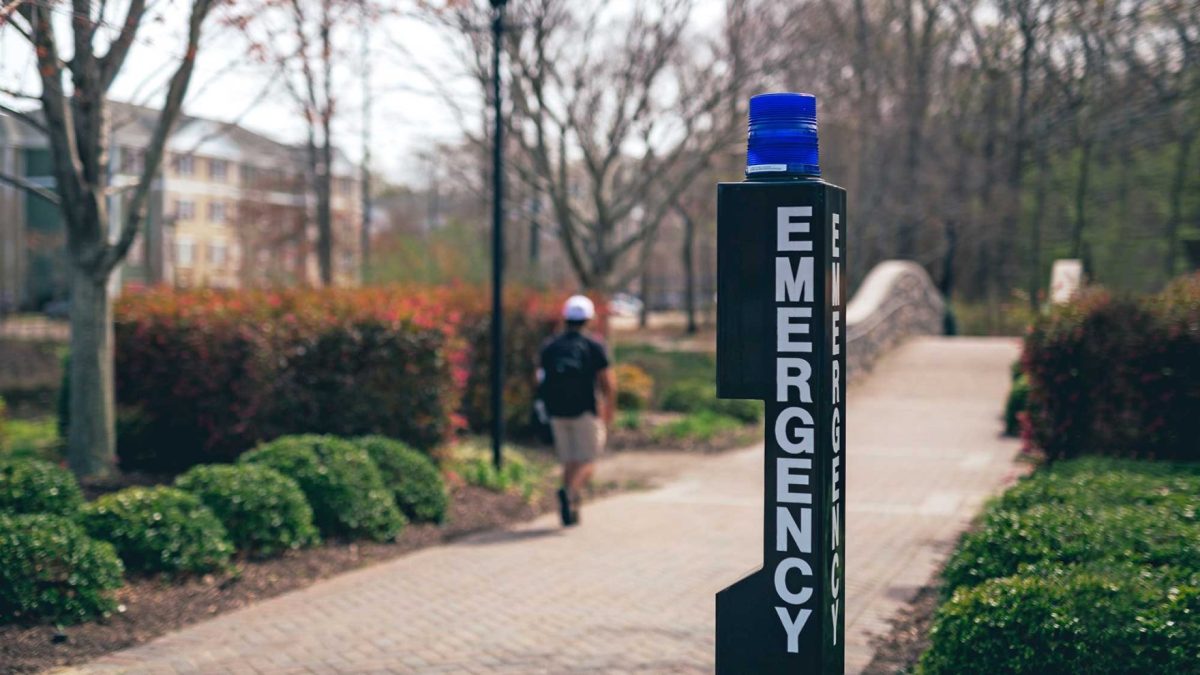
Student safety is a priority at RMA, especially for high school students who are driving and going places on their own or preparing to embark on the journey to college–a new environment free of restriction.
We’re lucky to have two former police officers on our campus, history teacher Mr. Feagans and campus security officer Mr. Wilder, who have offered their input as to what they believe high school students should hear.
The purpose of this article is not to provoke fear but instead to prevent vulnerability. The following lessons are general safety rules that anyone can benefit from, but seniors should pay extra attention. As Mr. Feagans says, “objectively, life itself is inherently risky, so the idea is to minimize that risk” using strategies like the ones listed below.
Advice for everyone:
Be careful with bags, wallets, phones, and keys.

Our school is a safe place, and we trust each other. But you have to remember, as Mr. Wilder emphasizes, that not every place is RMA, so you must be cautious (but not paranoid) about where your belongings are in proximity to yourself. Mr. Feagans says one thing that drives him crazy is seeing women leave their purses in shopping carts: “I don’t know how many reports I took while a police officer of people just walking up and taking the wallet out of the purse, or the whole purse, and the victim didn’t see a thing.” This idea of keeping your belongings close seems like a rudimentary skill but is neglected by many of us, especially when in familiar settings. Treat your bag or purse like your life because it may contain your phone, ID, wallet, and or keys. It’s a frightening reality that those items are your identity, and if someone were to gain access to them, it could make your life a lot harder.
Even if you don’t carry a purse, you have to be careful. Your phone contains all of your personal information and is your form of communication. If someone swipes your phone, how do you call for help? Your wallet contains your ID, debit or credit cards, and sometimes cash. If someone were to steal your wallet, it could be detrimental to you because they could get access to not just your cash but also your identity because credit cards and IDs have all your personal information.
Finally, be careful with your keys: I’m sure no one wants to walk home!
Be aware of your surroundings.
 Both Mr. Feagans and Mr. Wilder had plenty to say about situational awareness. When you are out and about with friends, or even outside by yourself exercising, avoid distractions. Stay off your phone so you are not only engaged and aware of what’s going on around you but also so that you appear alert to your surroundings, making yourself a not-so-easy target. Being aware isn’t just about looking around and not staring at your phone; listening to your surroundings is paramount to safety, too. If you are on a run or a walk, don’t use headphones or AirPods in both ears because you are intentionally dampening your senses, making you vulnerable. Similarly, be leery of talking on your phone in public. When you appear to be listening to a call, you seem distracted. Other ways to make sure you’re sending out the right signals include acknowledging people when you walk by them (just a nod or smile) so they know you are aware of their presence, as well as walking confidently because you’ve already planned out the path you plan to take.
Be cautious in parking lots.

When entering the parking lot of a store and looking for a place to park, pick a place that is well-lit and offers a close path to the store’s entrance. When you are leaving, scan the parking lot and ensure there are no threats or dangers to your well-being. When you do make your way to your car, have your keys in hand because that prevents having to rifle through your bag to find them, which distracts you from your surroundings. Keep in mind that keys have a panic button, and if you perceive a threat, hitting that button draws all the surrounding attention to you and your car. Even if you’re not sure there’s a problem, setting off your car alarm for a few seconds will never hurt the situation.
Before entering your car, check underneath it and peek through the windows at the back seats to make sure things are how you left them. Once in your vehicle, lock your doors. To deter thieves, never leave items in the open in your car. Keep them concealed because if they’re out of sight, they’re out of mind as well. A burglar’s first target when scanning cars is going to be if they see a purse, bag, phone, wallet, computer, AirPods, headphones, shoes, or anything that looks expensive. If your car looks empty, they will keep on walking.
Prioritize your safety over your stuff.
If you are ever confronted by someone wanting to steal your money or valuables, ask yourself what’s more important: your possessions or your life. You never know to what extent someone is willing to go, and people who are desperate are unpredictable. Mr. Wilder says you can either be smart and back down or foolishly fight for something of monetary value. If you’ve weighed the options and decide that those items mean more than your life, you have to give it everything you’ve got as you fight back.
If you see something, say something!
 Mr. Wilder refers to that feeling you get–a sixth sense–when seeing something abnormal or unsettling because, in many cases, it’s a truthful indicator that something isn’t right. Being silent won’t help others. What if you ignore what is happening and don’t stand up to stop it because you questioned your judgment? Trust your instincts to prevent what could be an instance of assault, burglary, or something worse.
Look out for others
That gut feeling just described is not meant only for yourself; you should use it to help and protect others, too. When you see someone in an uncomfortable situation, step in because that might just keep things from escalating or turning dangerous. Mr. Feagans recalled a specific event where a former RMA student (now at college) was leaving their job late in the evening and got on the bus. They were then harassed and made uncomfortable by a particular passenger. When other people saw this, they protected that former student and walked them back to their dorm to safety. Step up to help others, just as you would want others to step up to help you.
College-Specific Safety Tips:
Whether you’re planning to go to State, Chapel Hill, ECU, or a college outside of North Carolina, the freedom you’ll experience will inevitably bring new risks. You must consider that your private school background (amazing as it is!) might underprepare you for the realities of a big college campus where fellow students aren’t necessarily friends or even acquaintances.
Choose your company wisely.
Be conscious of who you’re with and ask yourself if you trust them completely or only partially. Before spending time with someone (especially if that involves driving somewhere together or attending an event), you need to ask yourself if this is someone who will support you if the worst happens: will they stay and help you, or prioritize themselves and flee the scene?
Parties require extra caution.
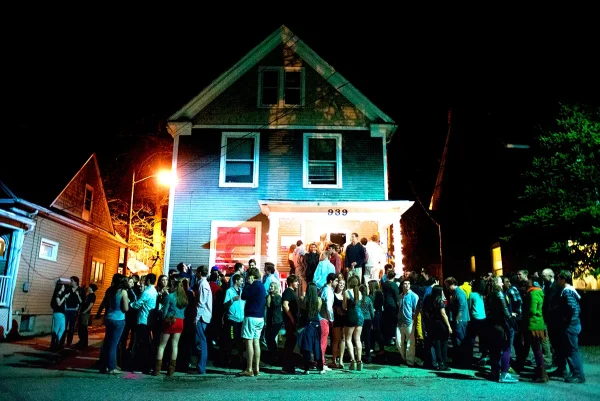 For most college students, partying is just part of the experience, but it can be done in a safer way. Never leave your drinks (even just water or soda) unattended when at bars or parties, and don’t accept questionable substances from others. If you didn’t watch a drink being poured, don’t accept it. The risk associated with these always outweighs any potential enjoyment.
When going out–especially to parties–stay in a group and ensure that everyone is accounted for; if you leave the dorm together, you need to come home together too. Always have a plan to get home if you can’t walk. Does your campus offer transportation or security guards who can walk with you if you end up on your own?
Driving
If you’re lucky enough to have a car your first year of college, know it comes with extra responsibilities since you won’t have your mom or dad to come pick you up if there’s a problem. Keep a reserve of gas in your tank–at least a quarter–so you don’t end up stranded in a place you are unfamiliar with or have to stop for gas late at night. As always, know where you are going, and don’t be a distracted driver.
College ultimately will give students freedom, independence, and a fresh start. That sounds really appealing and enjoyable, but it’s not something a rising college freshman should jump into naively
Final thoughts:
Although it’s important to be safe, remember that, as Mr. Feagans says, “you can actually be too safe–meaning, you can lock yourself away in a concrete bunker, and nothing bad would ever happen to you, but you would have a miserable life. You will never be perfectly safe,” but some commonsense guidelines should help you be safer while still getting out and enjoying life.


